
turismo ·
Safety and emergencies for foreign visitors at the Triple Frontier: numbers, hospitals, health and a lost passport
Guia 3 newsroom · edited by Annie GrellmannUpdated on PortuguêsEspañol
Emergency numbers and tourist police in three countries, what foreigners pay at hospitals, mosquitoes, yellow fever, sun, water and what to do if your passport goes missing
The Triple Frontier puts three countries, three health systems and three sets of emergency numbers within a few kilometres. Most visits never need any of it, but the moment you do, you want the right number and the right document already in hand. This is the checklist we would give a friend arriving from abroad.
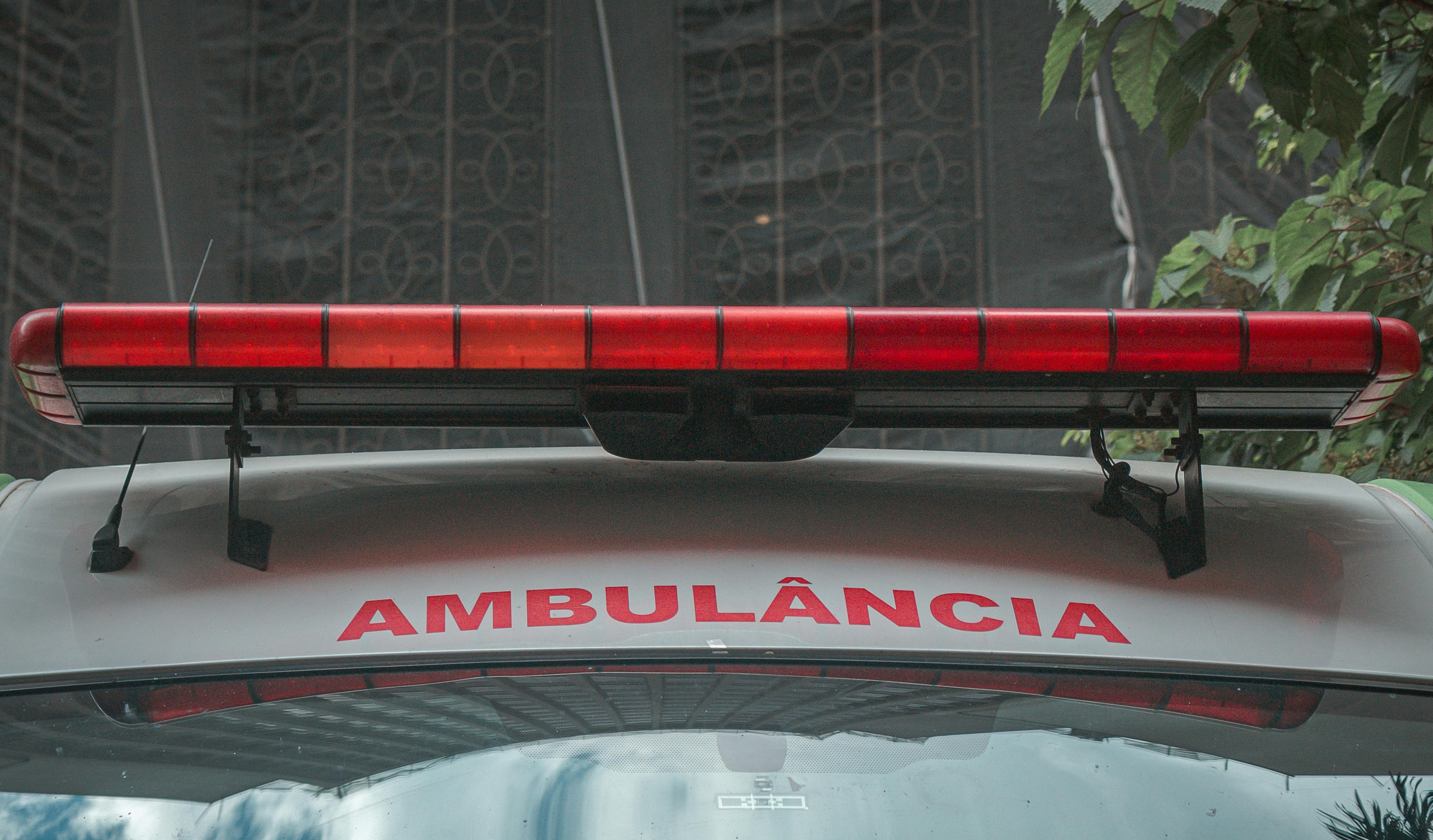
Quick answer: Save three sets of numbers before you cross: Brazil 190 police and 192 ambulance, Argentina and Paraguay 911. Carry travel insurance with medical cover, because Argentina now charges non-resident foreigners for non-emergency care in national hospitals. Use repellent, take your yellow fever certificate if you have one, and keep a copy of your passport apart from the original.
Foz do Iguaçu, Puerto Iguazú and Ciudad del Este are minutes apart, but each side of the river has its own police, ambulance and rules. Your phone may also jump between networks near the bridges. Here is what to set up before the trip, and what to do if something happens.
Emergency numbers
| Country | Police | Ambulance | Fire |
|---|---|---|---|
| Brazil (Foz do Iguaçu) | 190 | 192 (SAMU) | 193 |
| Argentina (Puerto Iguazú) | 911 or 101 | 107 | 100 |
| Paraguay (Ciudad del Este) | 911 | 141 (SEME) | 132 |
In Paraná, calls to 911 and 112 from foreign phones are routed to the Military Police operations centre, the same that answers 190. In Argentina, 911 covers police and ambulance. Calls are free. Each centre only serves its own country, so say the country, city and a landmark first. The full list is in emergency phone numbers.
Tourist police
- Foz do Iguaçu: the Military Police keep a Tourist Assistance Company (CiaTur, 14th Battalion) and officers who speak English, Spanish, French, German and Italian, called in as needed. Dial 190, 911 or 112.
- Ciudad del Este: tourist police on +595 61 502 715, the number published by the UK Foreign Office.
- Puerto Iguazú: we found no dedicated tourist police number; dial 911. At the Hito Tres Fronteras, a police security totem connects directly to the 911 centre.
Hospitals, and what foreigners pay
Brazil. The Constitution makes health a right of all, with universal access to the public system (SUS). In an emergency, call SAMU on 192. Foz's referral hospitals are the Hospital Municipal Padre Germano Lauck and the Hospital Ministro Costa Cavalcanti. Private clinics charge, and that is where insurance helps.
Argentina. Resolution 1066/2026, published on 11 August 2026, lets hospitals run by the national government charge non-resident foreigners for care that is not a life-threatening emergency, against insurance or prepayment. Emergencies stay free; care after the emergency is stabilised can be charged. Puerto Iguazú's public hospital is the Hospital SAMIC, and we found no confirmation of whether it has adopted the rule. Since 2025, Argentina also asks foreigners at entry to declare that they hold health insurance, with an exception for short visits: see travel insurance for Puerto Iguazú.
Paraguay. The Health Ministry has stated that treatment, medicines and stays in its public network have no cost, and we found no rule charging tourists. The public reference hospital is the Hospital Regional de Ciudad del Este; private clinics charge.
In short: travel insurance with medical cover is the one item that works on all three sides.
Mosquitoes and dengue
Dengue is spread by mosquito bites, and Paraná's health department said in August 2026 that El Niño years bring more cases, stepping up prevention in Foz do Iguaçu, one of the cities using the Wolbachia mosquito method. The US CDC advises repellent with 20% or more DEET (picaridin, oil of lemon eucalyptus and IR3535 also work), long sleeves at dusk and screened or air-conditioned rooms. If you develop fever after the trip, see a doctor and mention where you travelled.
Yellow fever
- The US CDC recommends the vaccine for travellers going to Iguaçu Falls, from 9 months of age.
- Paraguay requires the International Certificate of Vaccination from travellers aged 1 to 59 arriving from risk areas, under Resolution S.G. 268/2025. The CDC summarises it as anyone arriving from Brazil; Paraguay's immigration office names specific Brazilian states, and Paraná is not among them. The shot must be given at least 10 days before travel.
- Argentina does not require it.
If you are vaccinated, carry the certificate when you cross to Ciudad del Este. Details in yellow fever at the border.
Sun, heat and water
- The CDC advises sunscreen of SPF 15 or more, a hat and shade between about 10am and 4pm. The walk at the Falls is long and exposed; carry water.
- Water standards vary between places. If you are unsure about a tap, drink bottled or filtered water, which is easy to buy.
- The CDC advises against swimming in fresh, untreated water such as rivers and lakes, because of parasites. Swim in pools.
If your passport goes missing
- Report it to the police. In Paraná, the Civil Police take reports of lost documents online at policiacivil.pr.gov.br/BO, if the loss happened in the state. Robbery with violence or threat must be reported in person. In Argentina or Paraguay, report at a police station.
- Contact your consulate. Argentina has a consulate in Foz do Iguaçu (Travessa Vice Cônsul Eduardo Ramón Bianchi 26, Centro), and Brazil has consulates in Puerto Iguazú and Ciudad del Este. Most other countries are served from larger cities, so check your embassy's site for the nearest office. British nationals can call the FCDO on +44 20 7008 5000, 24 hours.
- Do not cross a border without a valid document. Argentina refuses entry with a passport reported lost or stolen, and in Paraguay non-Mercosur visitors need their passport stamped on entry.
Leave the passport in the hotel safe on day trips when your nationality allows it, and carry a photo of the data page. Rules by nationality: documents for the Triple Frontier.
Before you go out each day
Check the Falls today, since the UK Foreign Office has warned about extreme weather linked to El Niño, and the bridge traffic if you plan to cross. The wider picture is in is it safe to travel to Foz do Iguaçu?.
Sources: UK FCDO travel advice for Brazil (updated 17 November 2026), Argentina and Paraguay · Government of Canada travel advice · US CDC destination pages for Brazil and Paraguay (reviewed 3 September 2026) · Paraná Military Police and State Health Department · Paraná Civil Police · Resolution 1066/2026 (Argentina), via Chequeado and Crónica · Paraguay's Ministry of Public Health · Argentine Foreign Ministry · checked 20 November 2026.
Frequently asked questions
- What is the emergency number at Iguazu Falls?
- It depends on the side. On the Brazilian side, 190 for police and 192 for an ambulance; in Paraná, 911 and 112 also reach the police. On the Argentine side, 911. In Ciudad del Este, Paraguay, 911 for police and 141 for an ambulance.
- Do foreign tourists pay for hospitals in Argentina?
- Under Resolution 1066/2026, hospitals run by Argentina's national government can charge non-resident foreigners for care that is not a life-threatening emergency. Emergencies stay free. We found no confirmation that Puerto Iguazú's public hospital applies it, so travel with medical insurance.
- Is there a tourist police in Foz do Iguaçu?
- Yes. The Paraná Military Police have a Tourist Assistance Company in Foz, part of the 14th Battalion, with officers who speak several languages. Reach them through 190, 911 or 112.
- Do I need a yellow fever vaccine to visit the Triple Frontier?
- The US CDC recommends it for travellers to Iguaçu Falls. Paraguay requires the certificate from travellers aged 1 to 59 arriving from risk areas, and Argentina does not require it. The shot must be given at least 10 days before travel.
- What do I do if I lose my passport in Foz do Iguaçu?
- Report the loss to the Paraná Civil Police, online if it happened in the state, then contact your consulate for an emergency document. Do not try to cross to Argentina or Paraguay without a valid travel document.
Still have questions? Ask the border
Guia 3's AI answers instantly, only from verified guides and live data, never made up.
Ask my own question →Read also
Live tools
Saiba de tudo antes de todo mundo
Câmbio, clima e o que importa nos três países, no seu e-mail, todo dia. Gratuito, sem spam.
✓ Guia 3 fact-check
Content verified by the newsroom based on an official source: UK FCDO, Government of Canada, US CDC and official sources of Brazil, Argentina and Paraguay. Last checked: 11/20/2026. Found something inaccurate? We fix it fast. How we work.
Spotted something wrong? Tell us.
AI-automated curation with editorial supervision, your correction or suggestion helps keep things right.